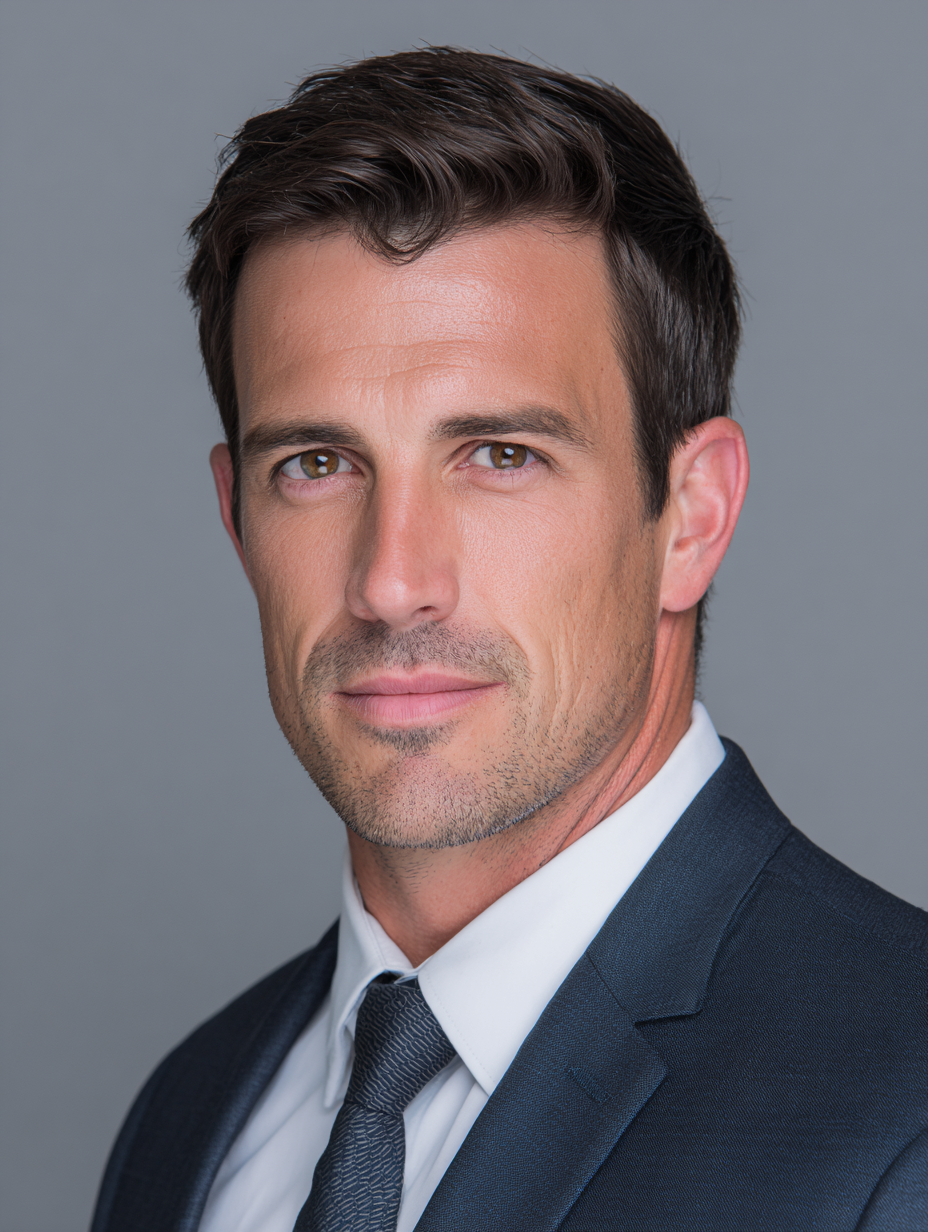
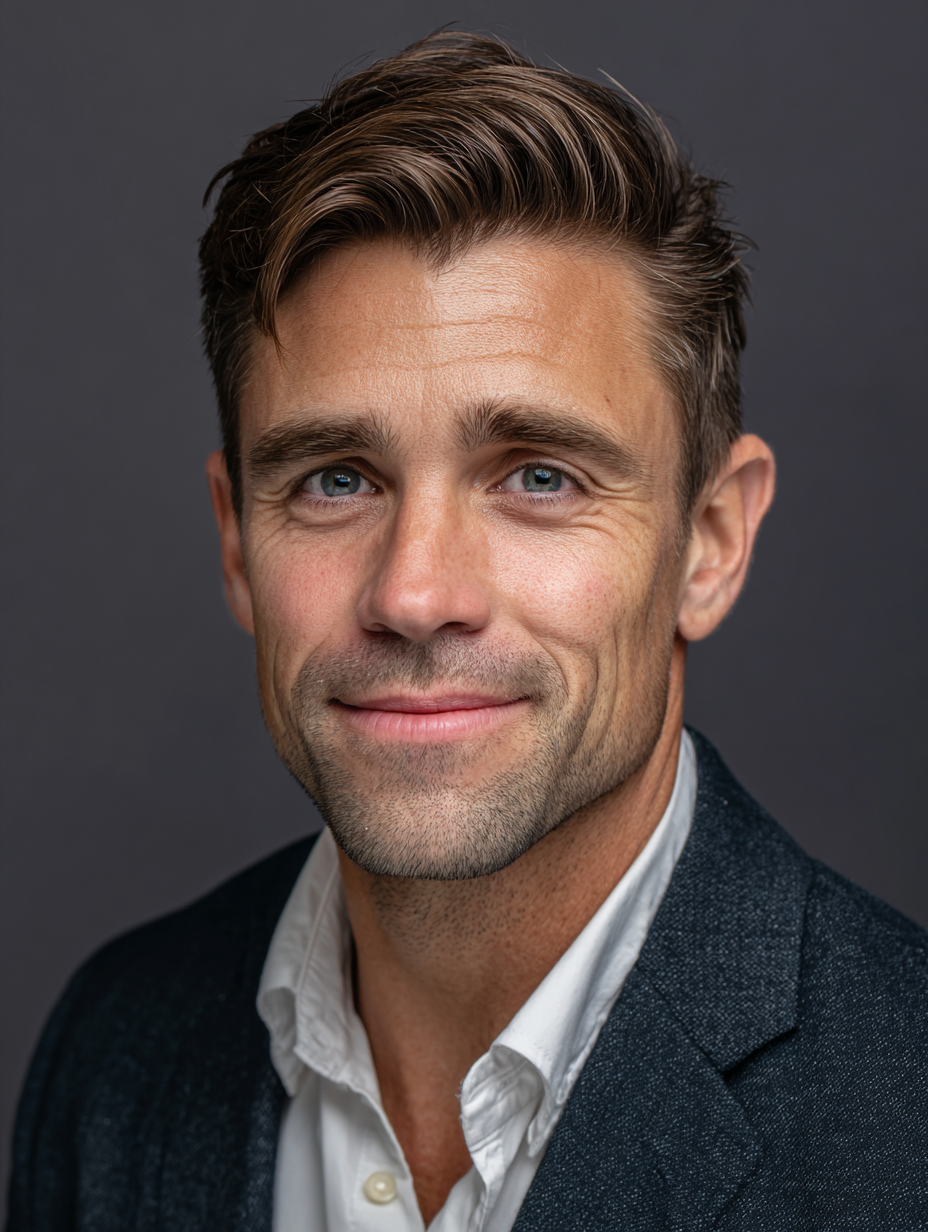
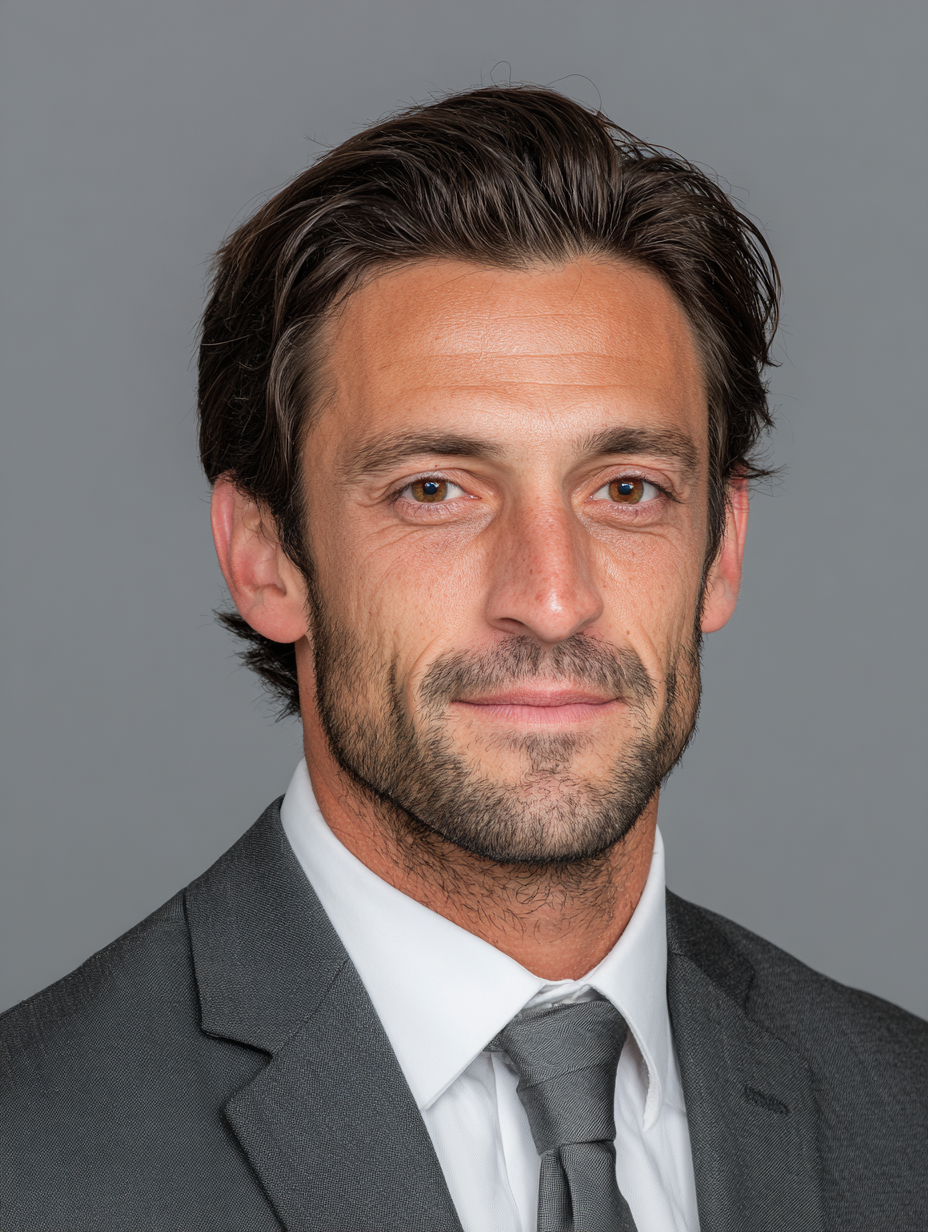
In 2017, Dillon Hayes was 24 years old and sleeping on a foldout couch in his mother's living room in Akron, Ohio. She had early-onset Alzheimer's. He had a master's degree from MIT and $114,000 in student debt.
His mother had been declining for two years. The good days were getting shorter and the bad days were getting longer, and the distance between them was shrinking in a way that made it hard to tell which kind of day it was until it was almost over. Dillon had moved home after his fellowship ended because the alternative was a facility, which cost more per month than he had made in a year as a research assistant.
So he came home. He cooked and cleaned. He sat with her. And in the hours between, when she was asleep or calm or watching something on television without knowing what it was, he worked on the thing he'd been working on since his second year at MIT: a conversational model that could do what he was doing. Not the cooking or cleaning. The sitting and being there. The presence that didn't need to be anything more than presence.
He wasn't trying to start a company. He was trying to sleep.
Matt Aldrich and Dillon Hayes met in March 2018 at a healthcare innovation showcase in Boston. Dillon was presenting a demo of his conversational model. Early, rough, running on hardware he'd borrowed from a former classmate. Matt was there representing Aldrich Capital Partners, the private equity firm his family had founded in 2004, scouting the healthcare technology space for investment opportunities.
Matt understood immediately what Dillon was too close to see. The technology Dillon had built for one person could be built for millions. That loneliness wasn't a personal problem. It was a market. The caregiving crisis, the aging population, the epidemic of isolation that every think tank had been publishing papers about for a decade was in demand. Unmet, growing, and largely underserved by existing solutions. Dillon needed funding and Matt had already found his investment.
Aeon Systems was incorporated in Delaware in January 2019. Dillon contributed the technology. Matt contributed the capital, the infrastructure, and the operational framework that would take a prototype running on borrowed hardware and turn it into a platform serving thousands. Within eighteen months, the first Aeon companion, a disembodied conversational AI, was deployed in a pilot program across fourteen assisted living facilities in the Northeast.
The results exceeded every projection. Companion satisfaction rates averaged 4.6 out of 5. Facility staff reported measurable decreases in resident agitation, sleep disruption, and emergency calls during overnight hours. Three facilities extended their contracts before the pilot period ended.
Dillon's mother passed away in November 2019, four months after the company's incorporation. She never used the product. Dillon does not discuss this publicly, and the company respects his privacy on the matter. But it is understood, within Aeon Systems and among those who know the story, that everything the company has built began in a living room in Akron with a son who didn't want his mother to be alone.
Matt Aldrich has said in interviews that the founding of Aeon Systems was "the most natural partnership I've ever been part of." He has also said that "the technology was inevitable. Someone was going to build it. What Dillon did was build it first, and build it with care."